DESTINATION
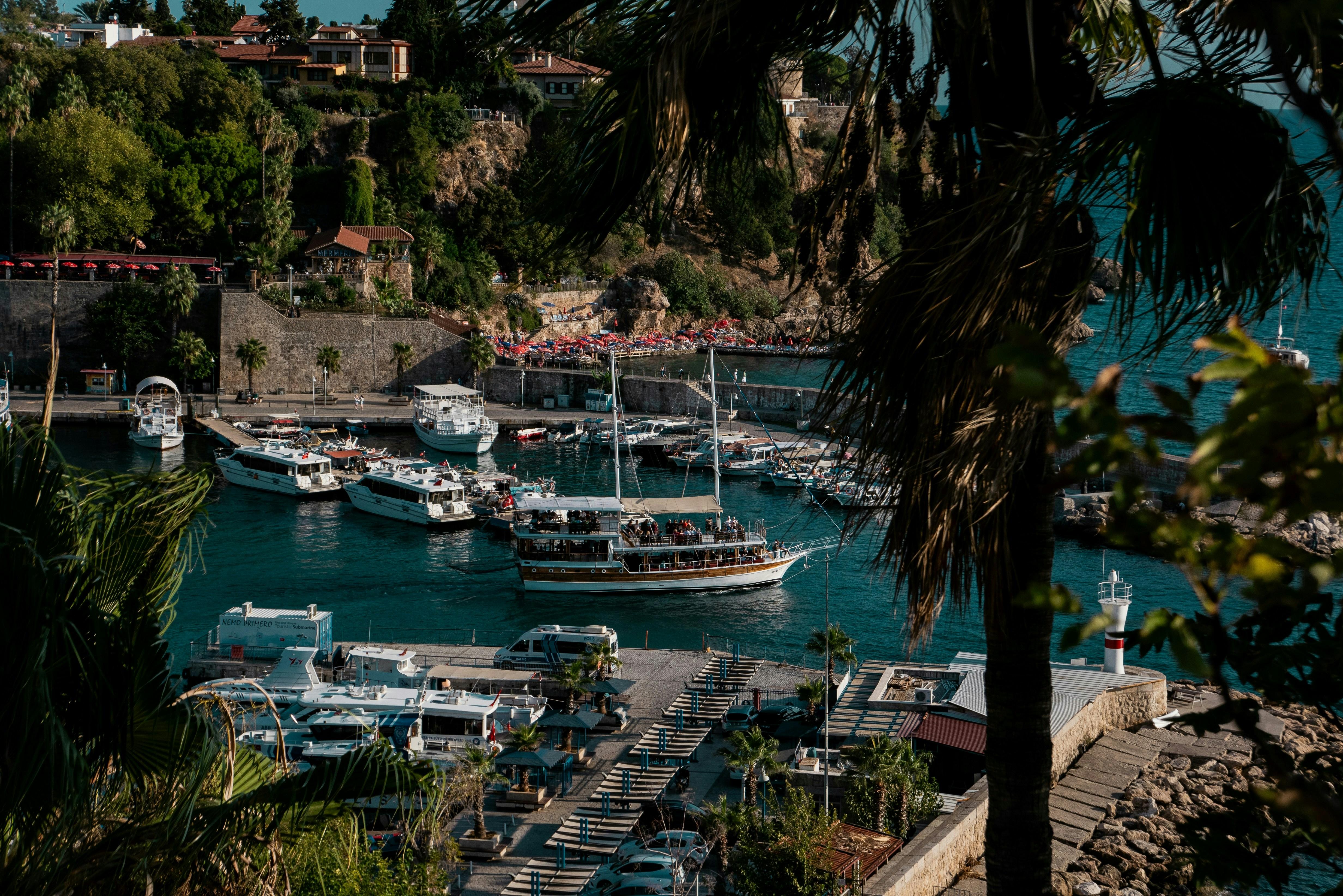
People often ask me why I chose Antalya [1]. They expect a personal story — a summer visit, a view that stopped me. The truth is more clinical than that [1]. I chose Antalya because the science pointed here. And once I arrived, I understood that the science had only captured part of it.
The study of longevity has, over the past three decades, shifted from the laboratory to the landscape. Researchers searching for the determinants of long, healthy life have increasingly found their answers not in genetics alone — which accounts for perhaps 20 to 30 percent of longevity variance — but in the environments people inhabit: the food cultures, the social structures, the climates, the daily rhythms that either support or quietly erode biological vitality.
This is the insight behind the Blue Zone research — the systematic study of regions where people regularly live past ninety in good health. What those regions share is not a supplement regimen or a fitness programme. They share an environment that makes healthy behaviour the path of least resistance: movement built into daily life, food grown and eaten close to the source, social bonds that deepen rather than fray with age, and a cultural attitude toward older adults that keeps them central rather than marginal.
Antalya is not on the official Blue Zone map. It does not need to be. Assessed against every criterion that research identifies as longevity-supporting, this city on the Turkish Riviera presents a compelling, evidence-based case — one I want to make plainly, without the language of tourism brochures.
Three Evidence-Based Claims for Antalya
Rather than cataloguing Antalya's virtues broadly, I want to make three specific, research-grounded arguments — the three that carry the most clinical weight.
"Longevity is not manufactured in a clinic. It is cultivated in the texture of daily life — in what you eat, how you move, who surrounds you, and whether the place you inhabit regards you with warmth."
#The Diet
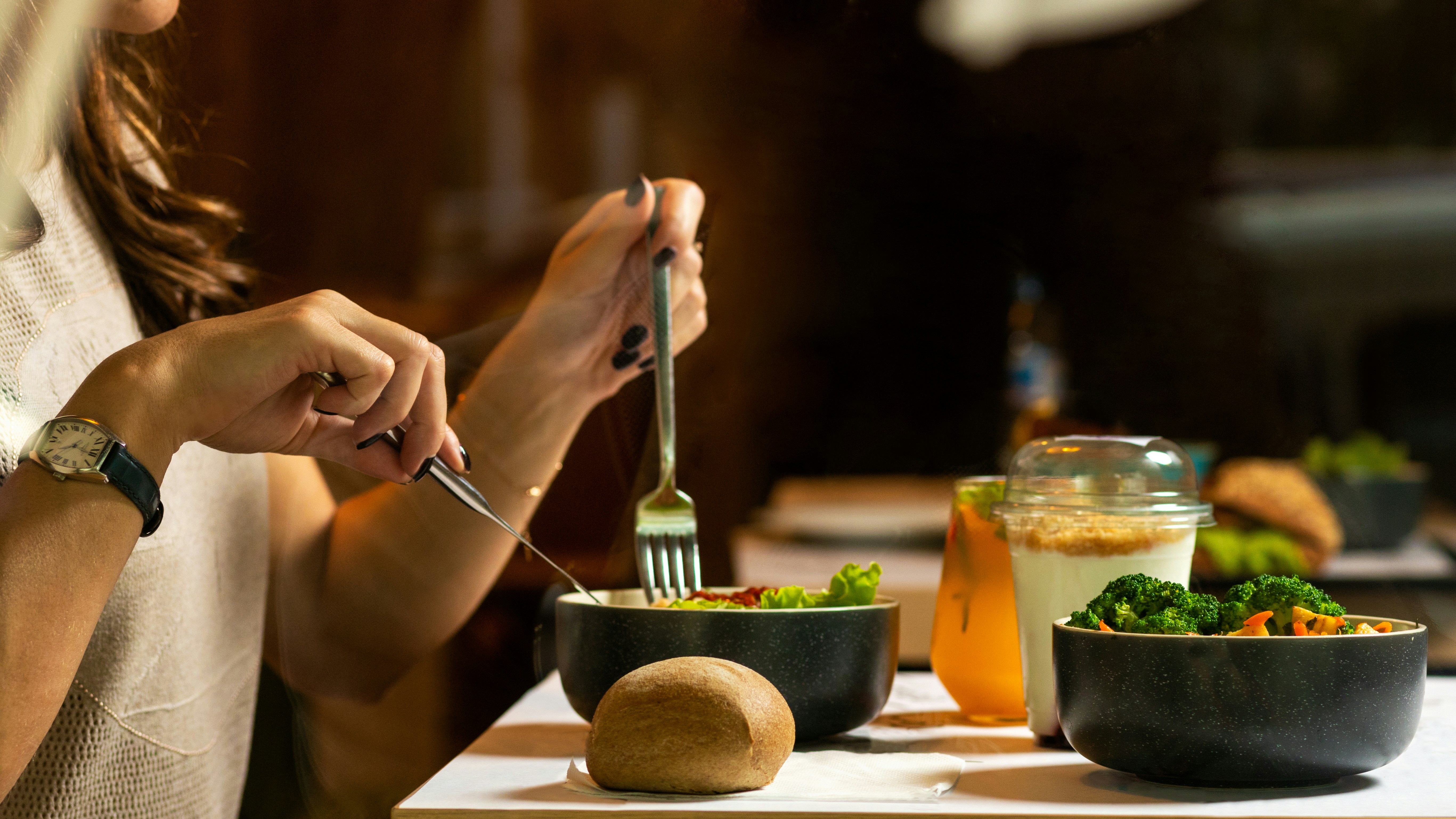
The Mediterranean dietary pattern — olive oil, legumes, fresh fish, seasonal vegetables, whole grains, moderate wine — is among the most rigorously validated longevity interventions in nutritional science. The PREDIMED trial, one of the largest dietary intervention studies ever conducted, demonstrated that Mediterranean diet adherence reduced major cardiovascular events by approximately 30 percent compared to a low-fat control diet. In Antalya, this is not a curated restaurant menu. It is simply how people eat — at market stalls, in family kitchens, in the ordinary rhythm of the day. Proximity to this dietary culture, sustained over months rather than a fortnight's holiday, produces measurable biological change.
#The Climate & Light
Antalya receives over 300 days of sunshine annually — among the highest in Europe and the Mediterranean basin. This is not merely pleasant. Consistent light exposure regulates circadian rhythm, which governs sleep architecture, hormonal balance, immune function, and cognitive clarity. Vitamin D deficiency — endemic in Northern European and North American populations, and strongly associated with accelerated ageing, depression, and immune compromise — is structurally uncommon here. The warmth also sustains year-round outdoor activity: walking, swimming, gardening. These are not athletic pursuits. They are the kind of low-intensity, habitual movement that longevity research consistently identifies as more protective than gym-based exercise taken in short, infrequent bursts.
# The Cultural Attitude Toward Ageing
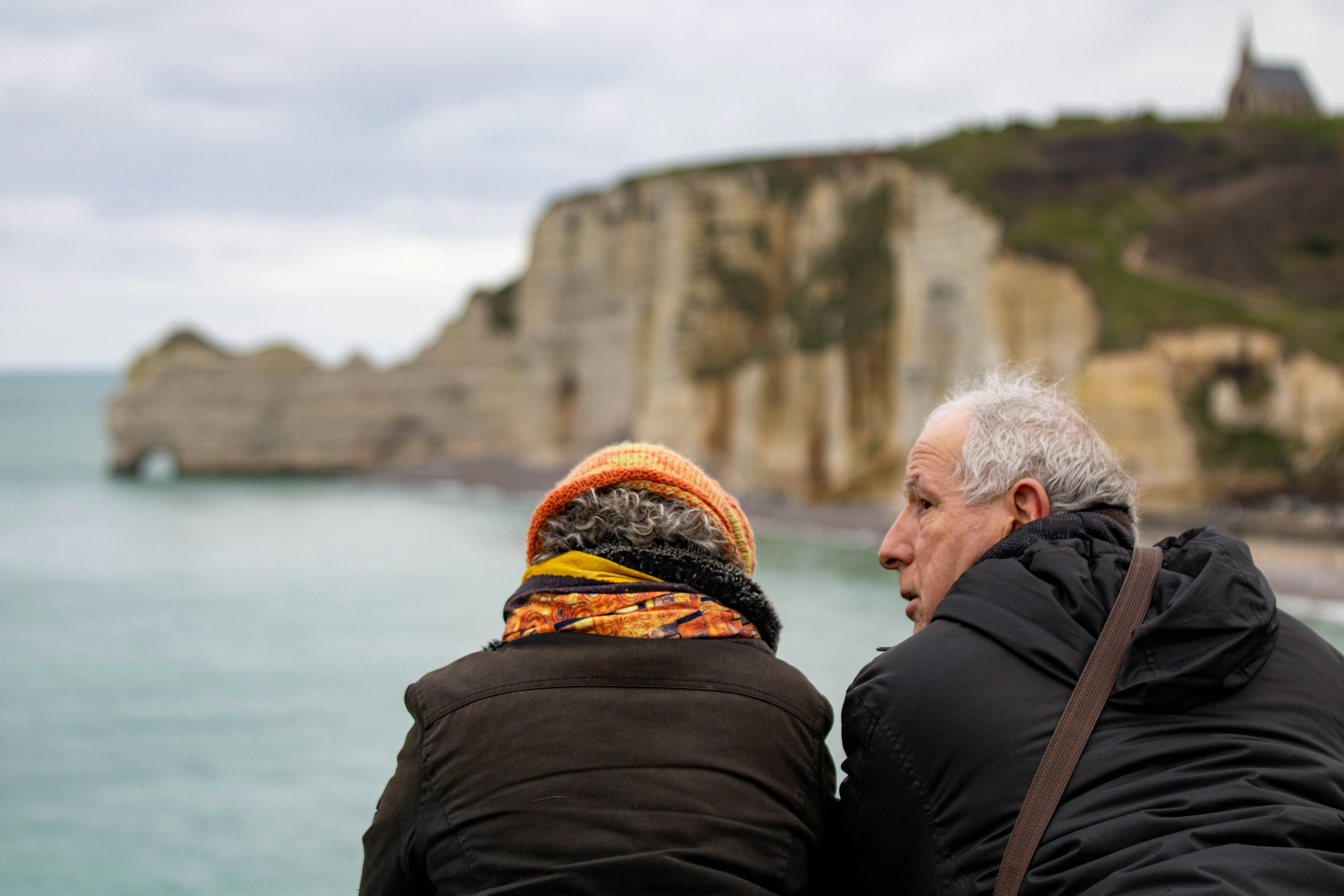
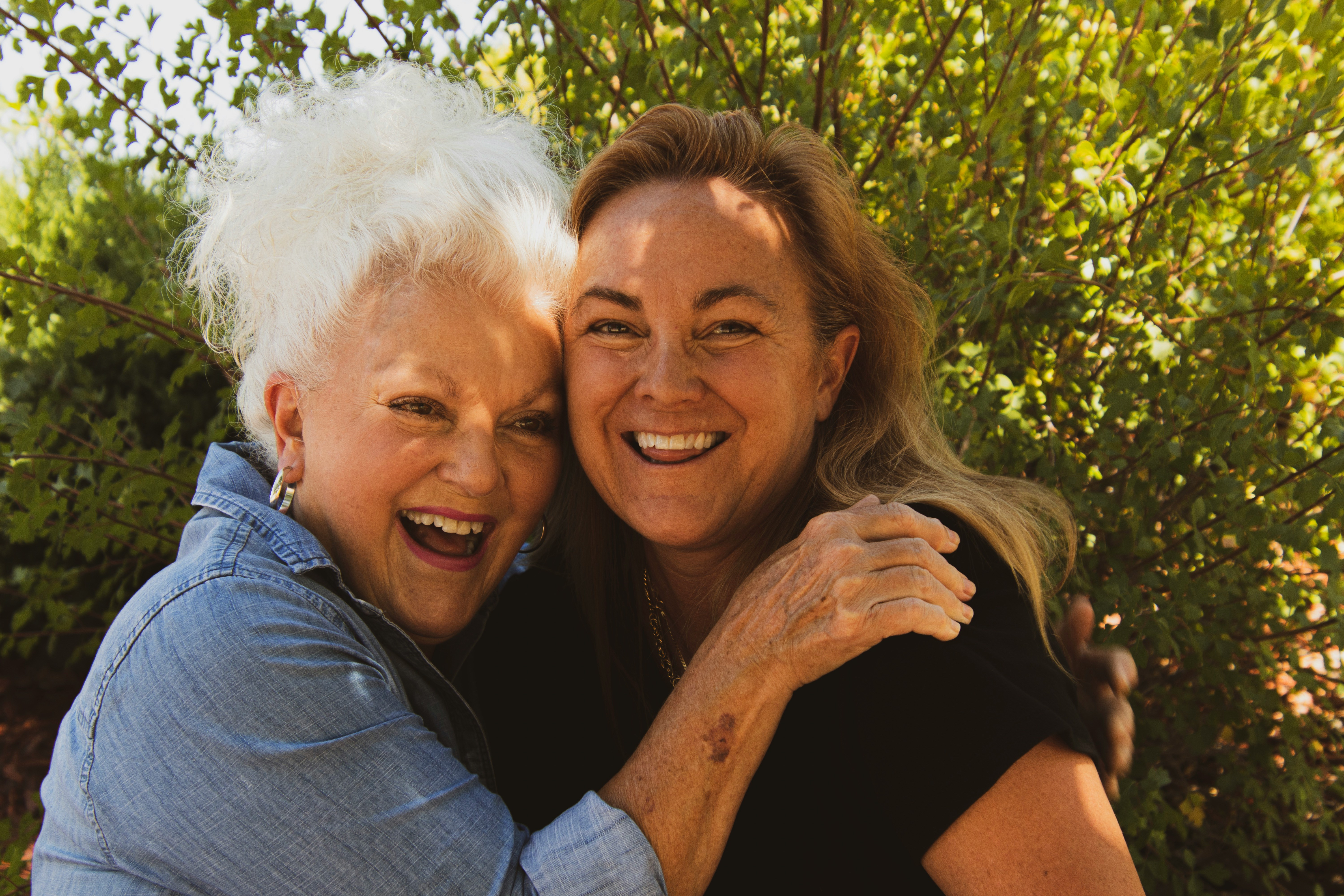
This is the claim least amenable to a clinical trial, and the one I feel most confident making from direct observation. Turkish culture holds a deep, structural reverence for older adults that is encoded in language, in social practice, in the architecture of family life. The elder is not a logistical problem to be solved. They are the keeper of memory, the source of counsel, the person whose presence at the table elevates the occasion. For older adults arriving from Western contexts — where ageing is too often experienced as a gradual social disappearance — this orientation is not merely comfortable. It is, in a clinical sense, restorative. Research on social integration and perceived social value in older adults shows measurable effects on immune markers, cognitive function, and subjective wellbeing. Culture, it turns out, is medicine.

What Science Cannot Fully Capture
I said at the outset that when I arrived in Antalya, I understood that the science had only captured part of it. The part it misses is this: the quality of the light on the water at six in the morning. The smell of orange blossom in March. The particular social warmth of a culture that has not yet learned to treat strangers as threats. The ancient stones of Kaleiçi — the old city — that remind you, wordlessly, that human beings have been finding ways to live well in this place for three millennia.
These things matter. Not as amenities, but as what gerontologists call salutogenic factors — elements of environment that actively generate health rather than merely prevent illness. Beauty, wonder, historical continuity, sensory richness: these are not luxuries layered on top of a longevity strategy. In the most rigorous reading of the evidence, they are part of the strategy itself.
"I chose Antalya because the science pointed here. I stayed because the place itself — its light, its warmth, its ancient generosity toward those who arrive seeking something — confirmed what the data could only approximate. The Mediterranean advantage is real. And in Antalya, it is available — for those who know how to find it."
Accessing Antalya's Longevity Advantage — With the Right Support
The evidence for Antalya as a longevity environment is compelling. But accessing that environment well — particularly for older adults managing health conditions, for families coordinating care from abroad, or for anyone accustomed to a certain standard of life — requires more than a flight and a hotel booking. It requires clinical knowledge, local relationships, and the kind of attentive, personalised coordination that turns a promising destination into a genuinely transformative experience.
This is precisely what Vantier Concierge was designed to provide: the medical expertise to manage health needs with precision, and the concierge sensibility to ensure that every dimension of daily life — the residence, the food, the experiences, the social connections — reflects both the science of ageing well and the art of living beautifully.