AFTERCARE-WELLNESS
The operation goes well. The surgical team is excellent. And then, somewhere between discharge and full recovery, something goes quietly wrong — not medically, but humanly. Nobody planned for what comes next.
In twenty years of working alongside patients navigating serious medical procedures — cardiac interventions, orthopaedic surgeries, oncological treatments, complex ophthalmological work — I have observed the same pattern repeat itself across continents and income brackets. The clinical phase is managed with precision. The recovery phase is managed with guesswork.
Discharge from a world-class hospital often means a return to a hotel room, a rented apartment, or — for international patients — a long-haul flight home before the body is ready. The support structures that existed inside the hospital disappear. Medication management, wound monitoring, physiotherapy, nutrition, sleep, psychological state: all of it becomes the patient's own problem, or the problem of a family member who has flown in from Singapore or São Paulo and has no clinical training whatsoever.
This is not a failure of medicine. It is a failure of what surrounds medicine. And it is precisely the gap that Vantier was built to close — for clients arriving from anywhere in the world, for whom standard arrangements are simply not an option.
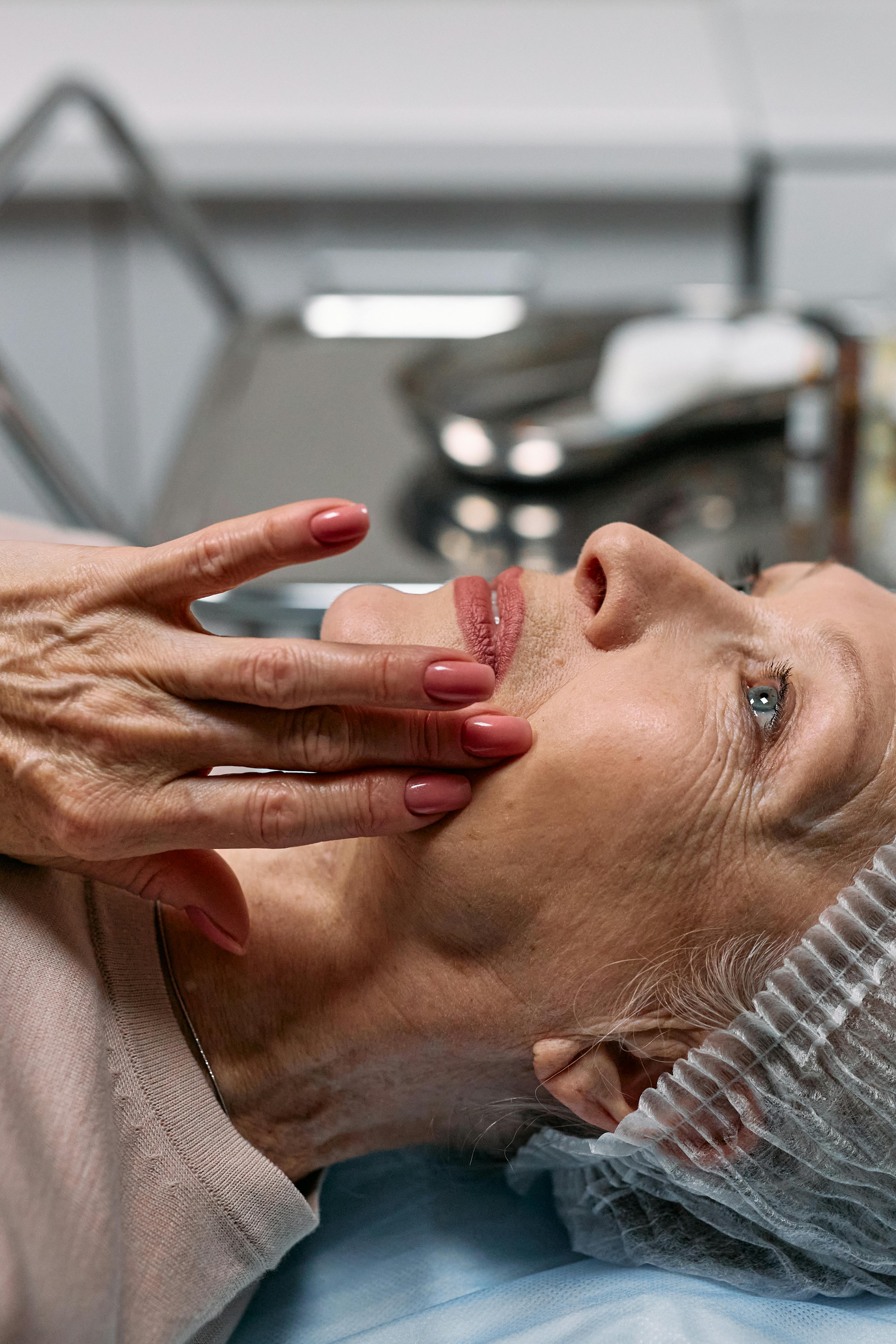
What the Research Shows About Recovery Environments
The clinical literature on post-surgical recovery has, over the past two decades, shifted substantially in its understanding of what drives outcomes. The procedure itself — however technically successful — accounts for only part of the result. What happens in the weeks that follow is shaped by a constellation of environmental and psychological factors that most healthcare systems are structurally unprepared to address.

Stress and cortisol elevation impair immune function and slow wound healing. Poor sleep — endemic in both hospital settings and unfamiliar, uncomfortable post-discharge accommodation — disrupts the hormonal cascades that govern tissue repair. Inadequate nutrition, social isolation, and loss of autonomy each carry independent negative effects on recovery speed and completeness. Conversely, natural light, gentle movement, high-quality food, meaningful human contact, and a sense of control over one's environment have each been associated with measurably faster, more complete recovery trajectories.
In other words: the environment of recovery is not a comfort consideration. It is a clinical one.
A Day in a Vantier Recovery
What does clinically informed, genuinely luxurious recovery look like in practice? Here is a representative day — not a brochure fantasy, but a realistic account of what our coordination produces for a client in the weeks following a significant procedure.
Morning: Supervised Physiotherapy & Vital Monitoring
A qualified physiotherapist — coordinated through Vantier's vetted clinical network — conducts a gentle, procedure-specific session in the privacy of the client's villa. Vital signs are monitored and logged. The attending physician receives a daily summary. Nothing is left to the client's own judgement about what they should or should not attempt.
Midday: Nutrition Prepared to Clinical Specification*
A private chef — briefed by our in-house nutrition coordinator on the dietary requirements specific to the client's procedure, medication interactions, and personal preferences — prepares lunch. Anti-inflammatory ingredients. Mediterranean sourcing. Presented beautifully, because how food looks affects how it is received, and how it is received affects how it heals.
Afternoon: Rest, Light & the Therapeutic Presence of the Sea
The villa terrace. The sound of the Mediterranean. Natural light without the harshness of direct sun. For clients well enough to move further afield, a short, unhurried drive to a quiet bay — no crowds, no exertion, simply the cortisol-lowering, psychologically restorative effects of coastal environment that the research describes and that no supplement can replicate.
Evening: Family Connection & Clinical Update
A Vantier coordinator facilitates a brief video call between the client and their family — wherever in the world they may be. A summary of the day's clinical indicators is shared with the family's designated contact. Nobody is left wondering. Nobody is left managing alone. The client goes to sleep in a quiet, temperature-controlled room knowing that the night is also covered.

The operation is the beginning, not the end. What follows it — the quality of the environment, the calibre of the support, the degree to which the patient feels safe, cared for, and genuinely seen — shapes the outcome as profoundly as anything that happened in theatre. Vantier exists because this phase of care has been neglected for too long, and because the people we serve — wherever they come from, whatever brought them here — deserve better than to navigate it alone.