What It Means to Age Well
Longevity
After more than a decade of clinical work in gerontology, I have sat with this question in hospitals, in private homes, and in the long quiet hours between appointments. What does it actually mean to age well? Not the platitude — not the stock-photography version of silver-haired couples walking beaches — but the real, honest answer.
The question that has animated my career is not "how do we extend life?" It is "how do we fill it?" Medicine has become extraordinarily good at adding years. What it has been slower to address is what those years should feel like — what they should contain, what they should mean.
Five Pillars of the Good Later Life
Synthesising the research with two decades of clinical practice, I have come to understand good ageing as resting on five foundations — not a prescription, but the structural elements beneath any later life that is genuinely worth living.
#Autonomy
The freedom to make meaningful choices — supported by structures that make those choices real rather than theoretical. Good ageing cannot be imposed. It must be lived from the inside.
#Purpose
A reason to engage with the day. It need not be grand — a garden, a grandchild, a language being slowly learned. What matters is that something calls to the person and makes the future feel worth inhabiting.
#Connection
Genuine, reciprocal relationships — not organised activities designed to fill time, but real human bonds. Connection is not a luxury. It is a biological necessity.
#Beauty
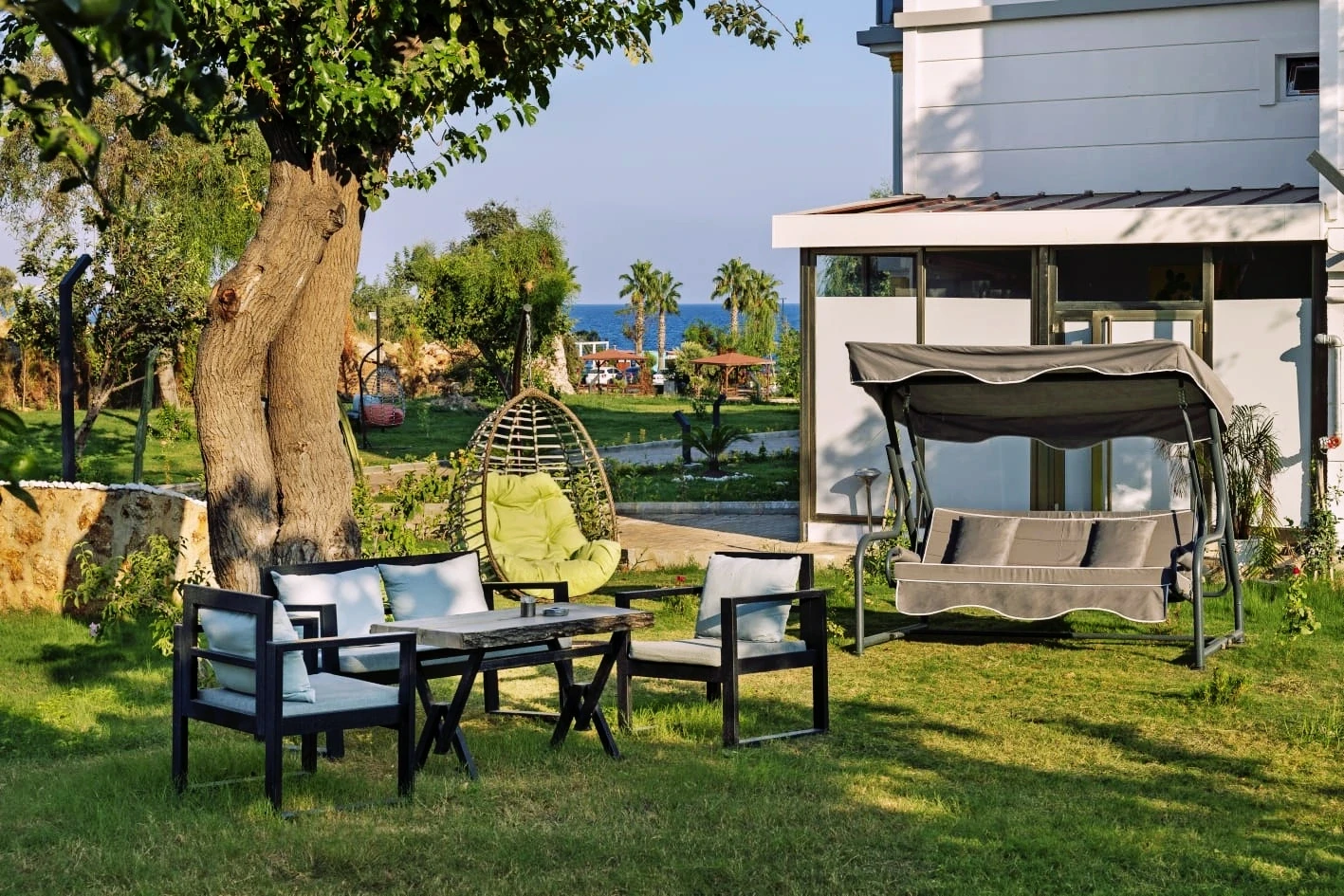
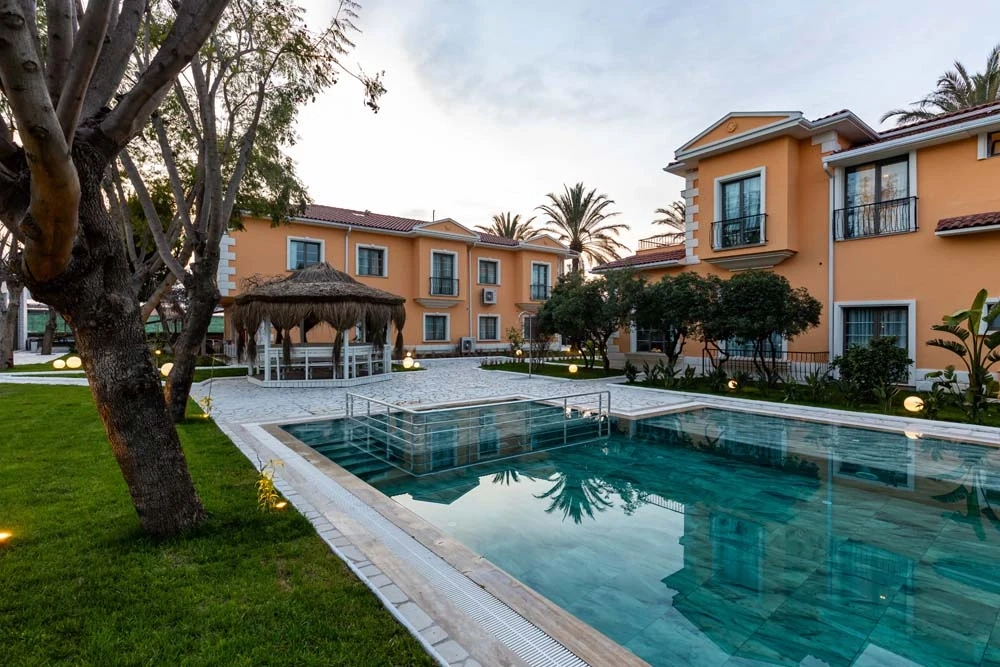
The pillar most absent from clinical literature, and the one I feel most strongly about. Aesthetics shape mood, mood shapes health, and health shapes everything. Beauty is not an indulgence. It is infrastructure.
#Dignity
Being seen as a full person — complex, particular, with a lifetime of accumulated wisdom that does not evaporate with age. Every interaction in later life should protect this quality. None should diminish it.