RETIREMENT RESIDENCY
The South of France is beautiful [1]. So is Tuscany [1]. So is the Algarve [1]. This article is not a complaint about any of them [1]. It is a question — a sincere, clinically informed, financially honest question — about whether the reputation these places carry is still earning its price, and whether the people who choose them are choosing with their eyes fully open [1, 2].
There is a particular kind of decision that wealthy, intelligent people make badly: the decision that feels so obviously correct, so culturally endorsed, so aesthetically unimpeachable, that it bypasses scrutiny entirely [2]. Retiring to Provence, or the Umbrian hills, or the Algarve coast is that kind of decision [3]. It arrives pre-approved, pre-admired, pre-validated by decades of aspirational literature, dinner party conversation, and the quietly competitive geography of one's social circle [3].
Nobody questions it [3]. That is precisely why it deserves to be questioned [3].
I am a gerontologist [3]. My professional obligation is to evaluate environments by what they actually deliver to older adults — not by their cultural prestige, their property prices, or the quality of their rosé [3]. Assessed on those terms, the comparison between Western Europe's celebrated retirement destinations and Antalya is not close [3, 4]. And the people who have not yet made it are, I would argue, the luckier ones — because they still can [4].
Healthcare
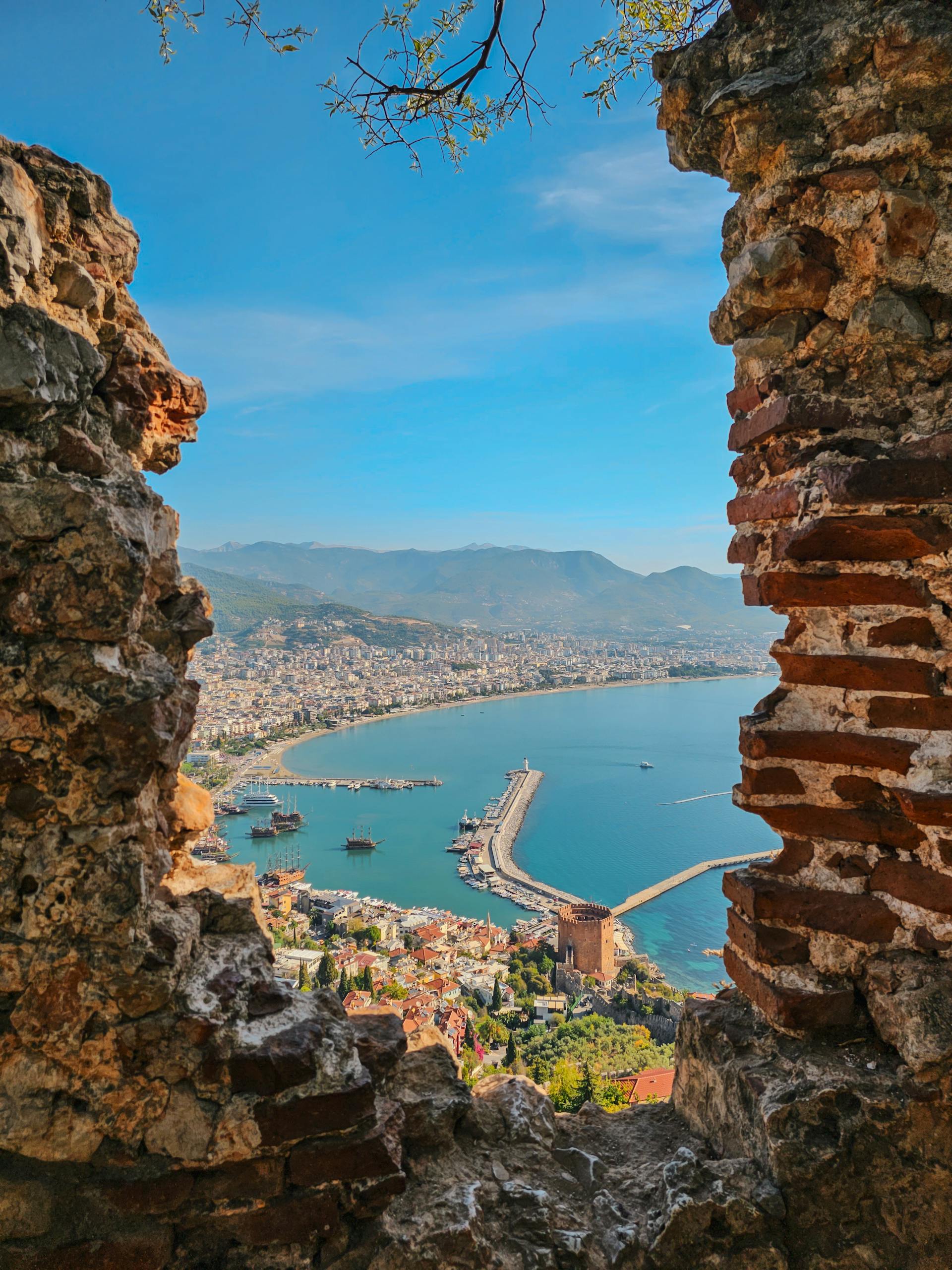
France's public healthcare system is celebrated — and under severe pressure [5]. Wait times for specialist consultations in the Provence-Alpes-Côte d'Azur region can extend to months [5]. Private care in Nice or Cannes is expensive and fragmented [5]. In rural Tuscany, the nearest internationally accredited facility may be an hour's drive [5]. The Algarve, outside of Lisbon, relies on a healthcare infrastructure designed for a fraction of its current international population [5]. For an older adult managing one or more chronic conditions, proximity to excellent, accessible, specialist care is not a comfort consideration [5]. It is a survival one [5].
Antalya is home to multiple internationally accredited hospitals staffed by specialists trained at European and American institutions, operating at a fraction of the cost of equivalent private care in France or Italy — with no waiting lists for those who know how to navigate the system [6]. The city has become one of the foremost medical tourism destinations in the world not because of marketing, but because the clinical outcomes justify the reputation [6]. For an older adult, this is not a secondary consideration [6]. It is the primary one [6].
Cost of Excellence
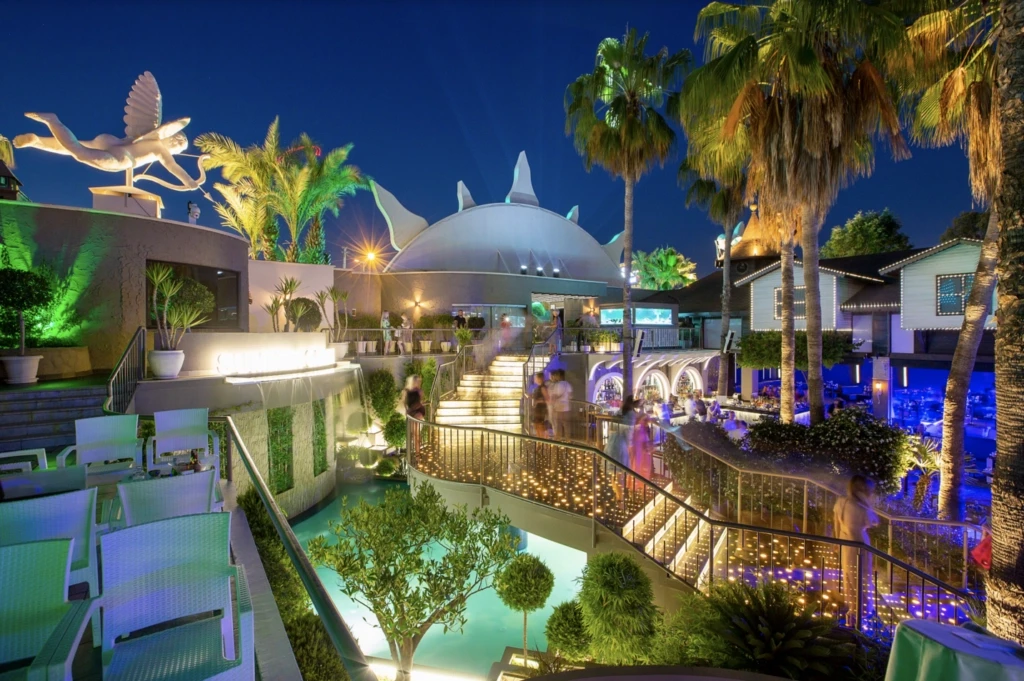
A villa of genuine quality in Saint-Rémy-de-Provence or the hills above Lucca will cost, conservatively, three to five times its equivalent in Antalya — and deliver a smaller property, older infrastructure, and higher running costs [7]. The Costa del Sol has been so thoroughly colonised by the international retirement market that its prices now reflect demand rather than value [7]. A private chef, a household manager, a driver, a physiotherapist retained on a monthly basis: in Southern France or Tuscany, this constellation of support consumes a substantial fortune [7]. In Antalya, it is within the reach of a much broader range of clients — and the quality of each individual element is, in most cases, higher [7].
The cost differential between Antalya and Western Europe's premium retirement destinations is not marginal — it is transformative [8]. Clients who would stretch to afford a comfortable life in Provence can live extraordinarily in Antalya: private residences of exceptional quality, world-class hospitality, and the full support infrastructure that good ageing requires, at a cost that preserves rather than depletes capital [8]. Excellence here is not rationed by price [8]. It is simply available [8].
Climate
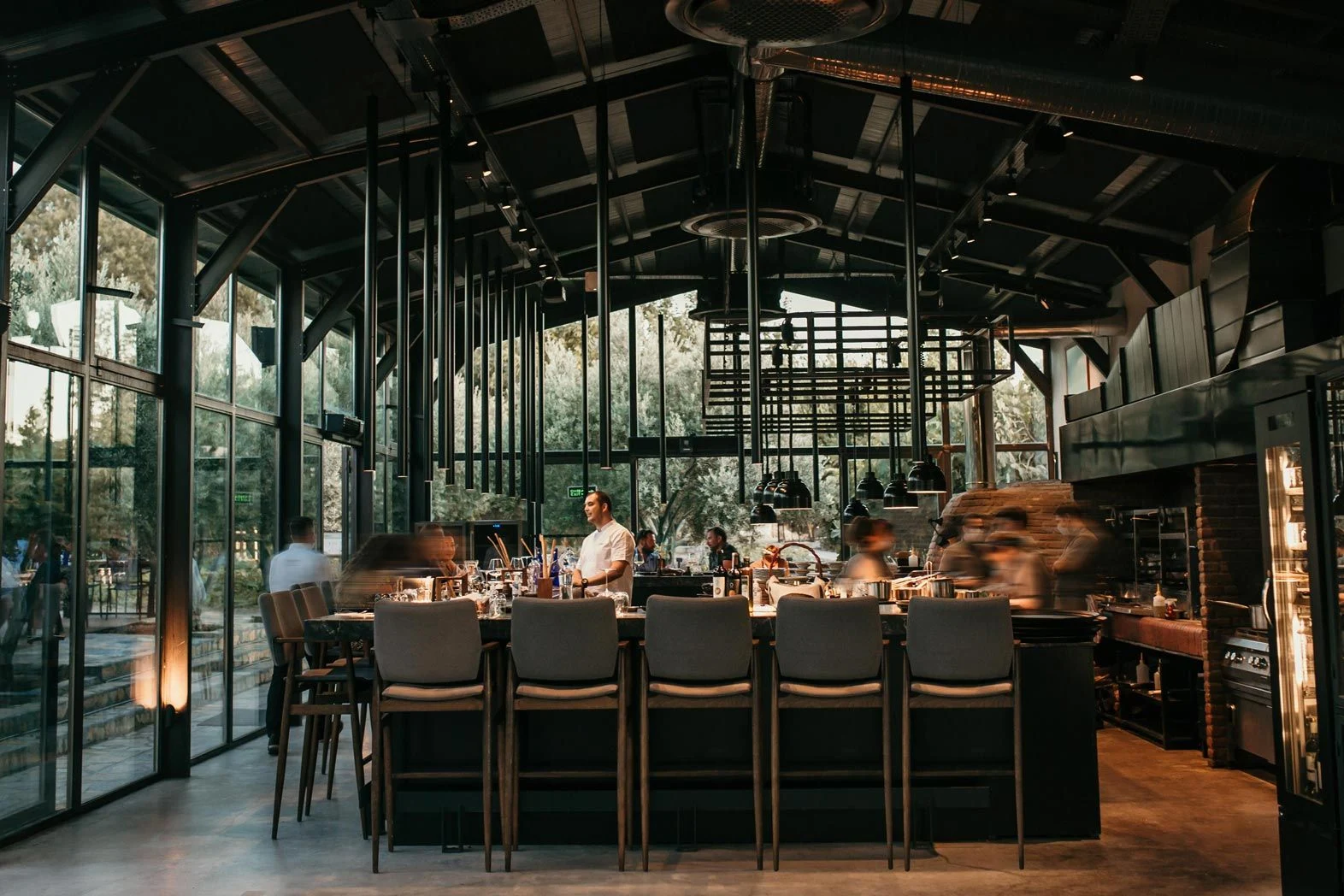
The Côte d'Azur receives approximately 300 sunny days per year — a genuine asset [9]. But its winters, while mild by Northern European standards, are consistently grey between November and February, and the mistral wind renders outdoor life uncomfortable for weeks at a time [9]. The Algarve's winters are wetter than its marketing suggests [9]. Tuscany, beautiful in spring and autumn, is cold and damp for four months of the year and ferociously hot in July and August — a combination that is physiologically taxing for older adults at both extremes [9, 10].
Antalya's climate is not merely pleasant [9]. It is, in clinical terms, genuinely supportive of healthy ageing [9]. Over 300 days of sunshine annually, warm dry summers that remain manageable at altitude, and winters mild enough for daily outdoor activity year-round [9]. Consistent light exposure regulates circadian rhythm, supports vitamin D sufficiency, and produces the neurological benefits that coastal, sun-rich environments have delivered to their populations for centuries [9]. The Taurus Mountains to the north create a microclimate that moderates summer heat in ways the flat coastal zones of Southern France cannot match [10].
Cultural Attitude Toward Older Adults
Western Europe's relationship with ageing is, to put it plainly, ambivalent [10]. The older adult in French, Italian, or Portuguese society is respected in the abstract and frequently marginalised in practice — by urban design, by social pace, by a culture that equates vitality with youth and has limited patience for the slower rhythms that later life requires [10]. The international retirement communities that have formed in these regions — the British enclaves of the Algarve, the Nordic communities of the Costa del Sol — offer familiarity at the cost of genuine integration, and a social world that tends, over time, to contract [10].
Turkish culture encodes a reverence for older adults that is not sentiment — it is social architecture [11]. The elder is central, consulted, honoured [11]. This orientation is experienced daily, in interactions that accumulate into something clinically significant: a sense of being valued, visible, and genuinely welcomed [11]. Research on perceived social value in older adults shows measurable effects on immune function, cognitive performance, and subjective wellbeing [11]. Culture, as I have written before, is medicine [11]. And on this dimension, Antalya is in a different category entirely [11].
*A Fair Concession — and a Final Argument
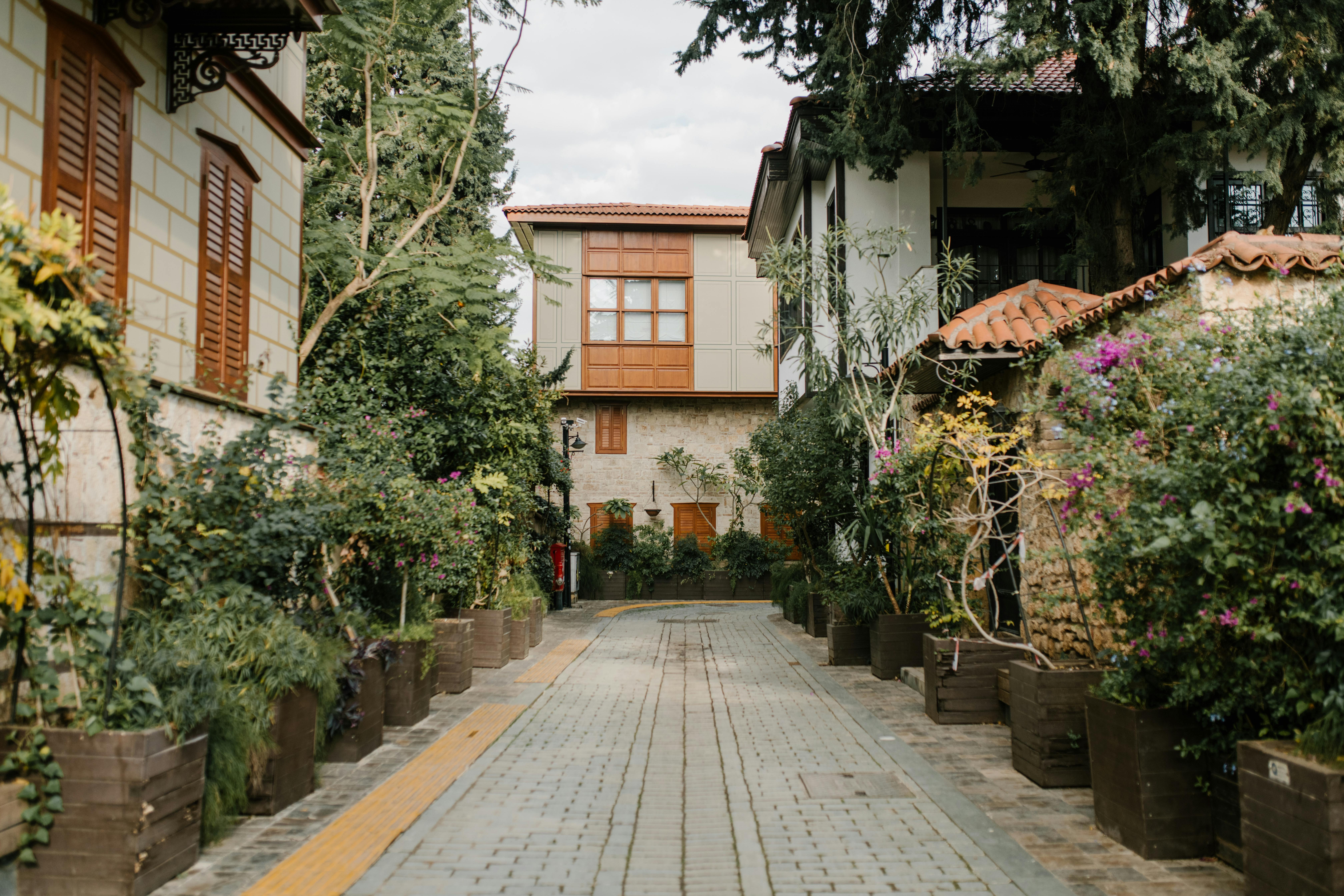
The South of France is not a bad choice [12]. Neither is Tuscany, nor the Algarve [12, 13]. They are beautiful, historically rich, gastronomically serious places that have offered good lives to many people [13]. This article is not a dismissal of them [13]. It is an argument that the assumptions underlying their prestige — that they represent the gold standard for later-life living in the Mediterranean world — have not been recently examined against the evidence [13].
Antalya does not yet carry the cultural cachet of Provence or the Amalfi Coast [13]. It does not need to [13]. The people who choose it on the basis of what it actually delivers — the healthcare, the climate, the cost of excellence, the cultural warmth — tend to discover, within a season, that prestige is the thing they are least inclined to miss [13, 14].