01 — BOOK DIRECTLY
Book Perge, Aspendos & Side on Klook →
02 — ASK VANTIER
Contact Vantier →
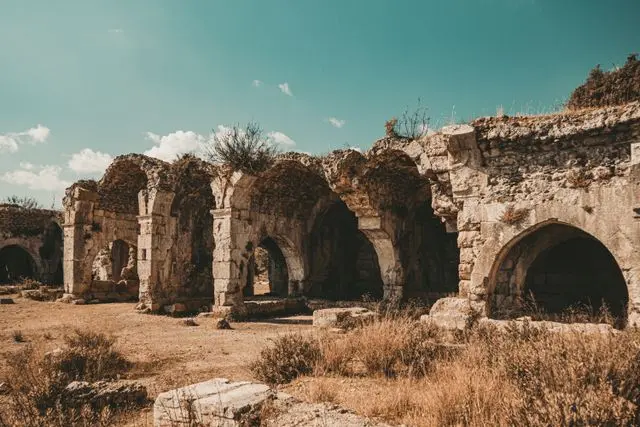
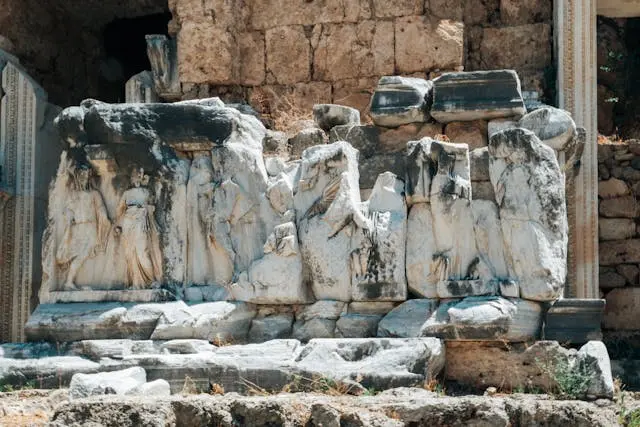
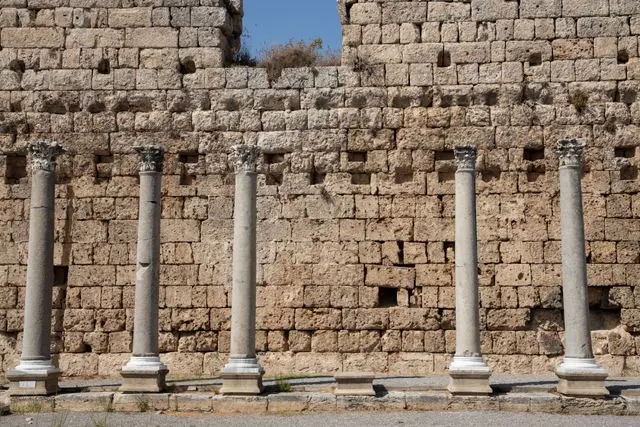
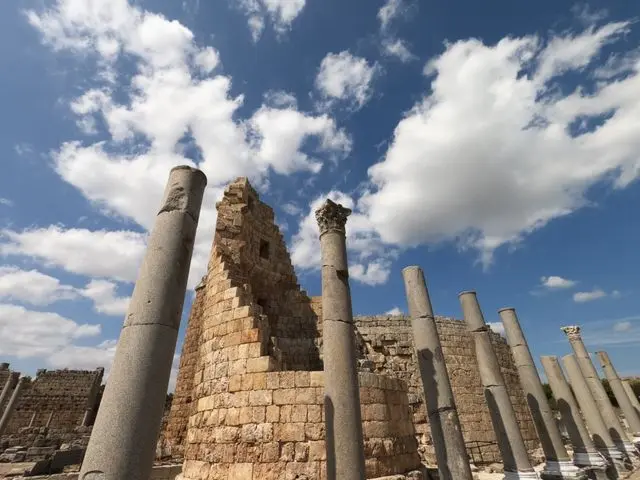
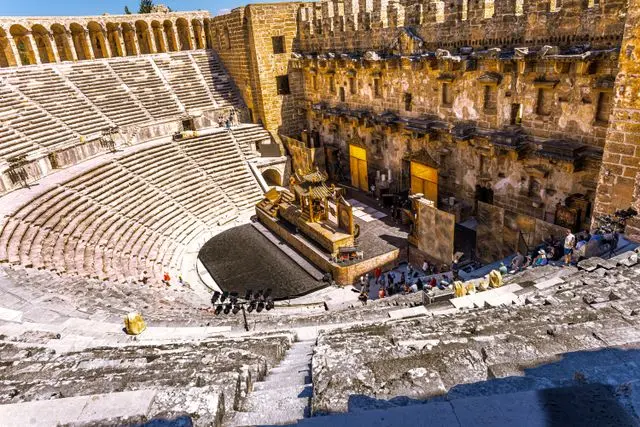
This is one of the more complete ancient history days available from Antalya, and it earns that reputation. Perge opens with a 500-metre colonnaded main street, city walls, an agora, and an acropolis dating back to the Bronze Age. Aspendos holds one of the best-preserved Roman amphitheatres anywhere, still structurally intact after roughly two thousand years. Side adds Roman gates, baths, and ruins set directly against the coastline.
The standard version covers all three in a single day, by air-conditioned coach, with hotel pickup included and a guide who typically shapes the day’s pace — reviews consistently mention how much the guide’s knowledge affects the experience.
If you’d rather go at your own pace, skip the retail stop built into most group tours, or bring a guide chosen specifically for depth of historical knowledge, contact us.
We connect you with vetted local guides and shape the day around what you’re actually looking for, at no cost.
For a standard booking, use our verified Klook partner link — instant confirmation, hotel pickup, and the option to include entry tickets.
Either way, you’re covering the same three cities. The difference is how much of the day moves at your pace instead of the bus’s.
Standard tour? Book on Klook — confirmed instantly.
Something specific? Contact Vantier. We’ll take it from there.