01 — BOOK DIRECTLY
Book Kekova & Myra on Klook →
02 — ASK VANTIER
Contact Vantier →
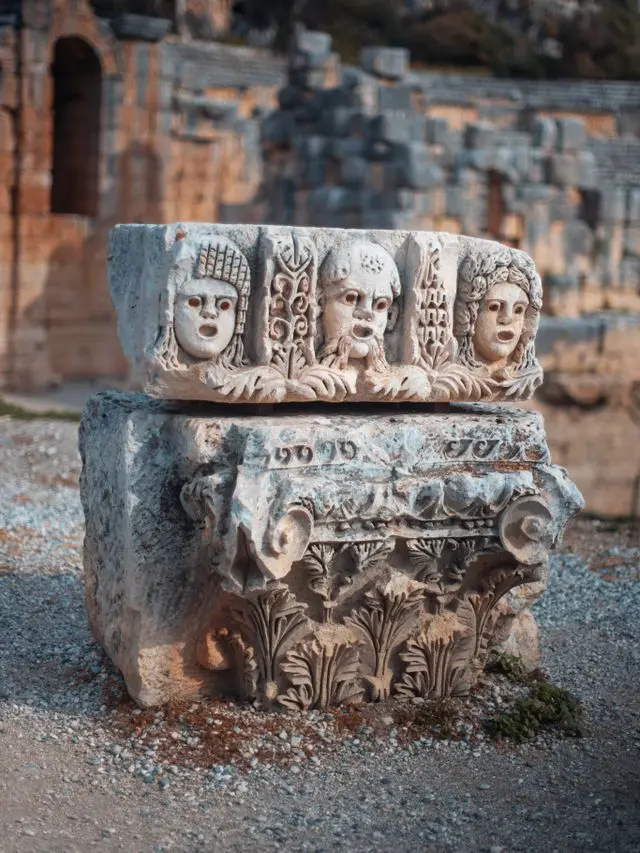
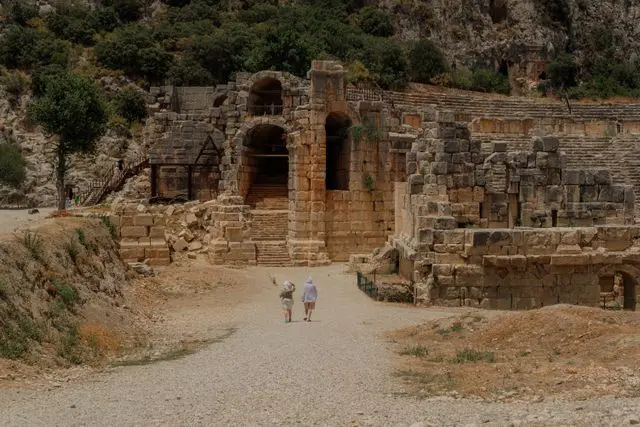
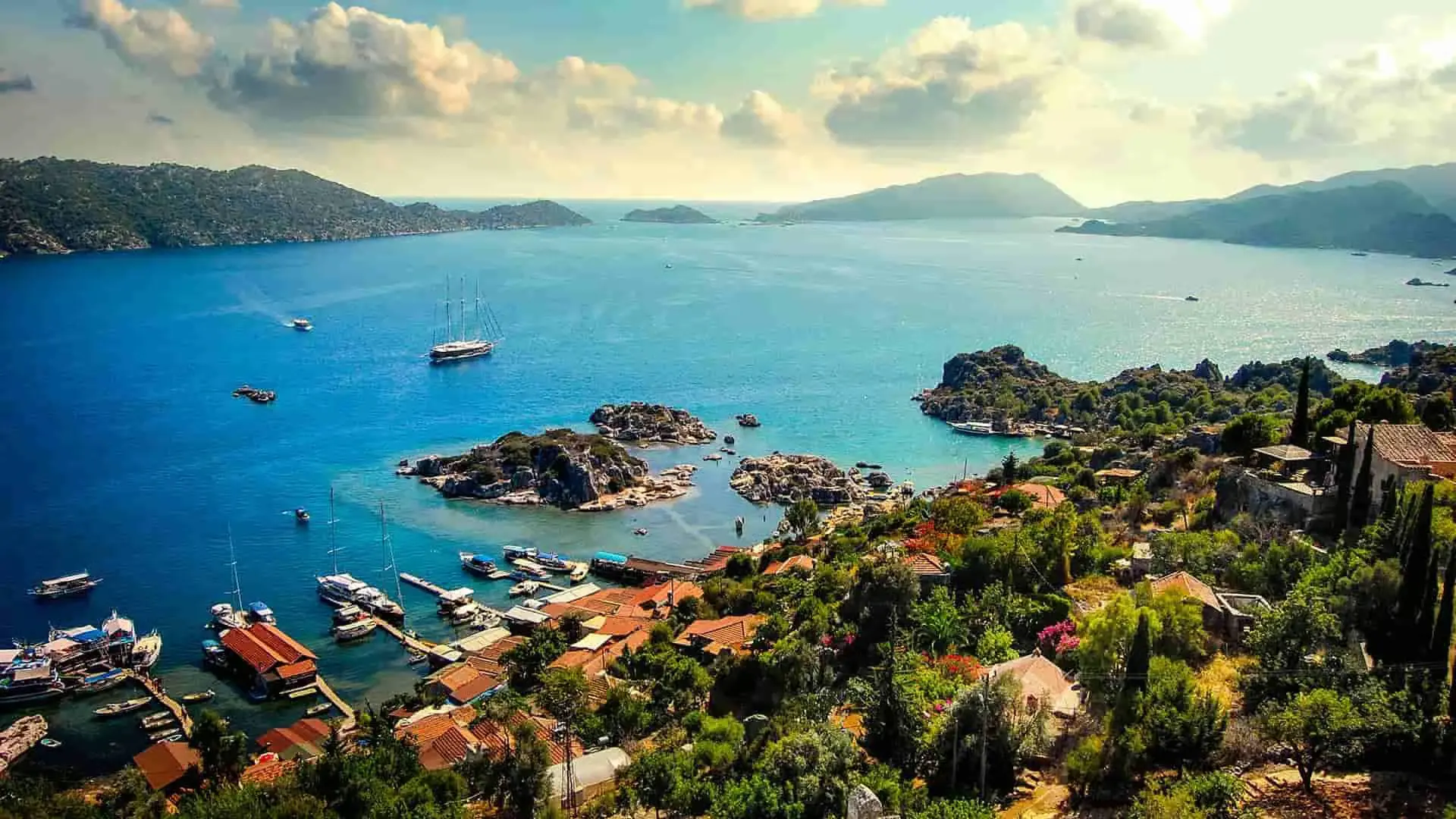
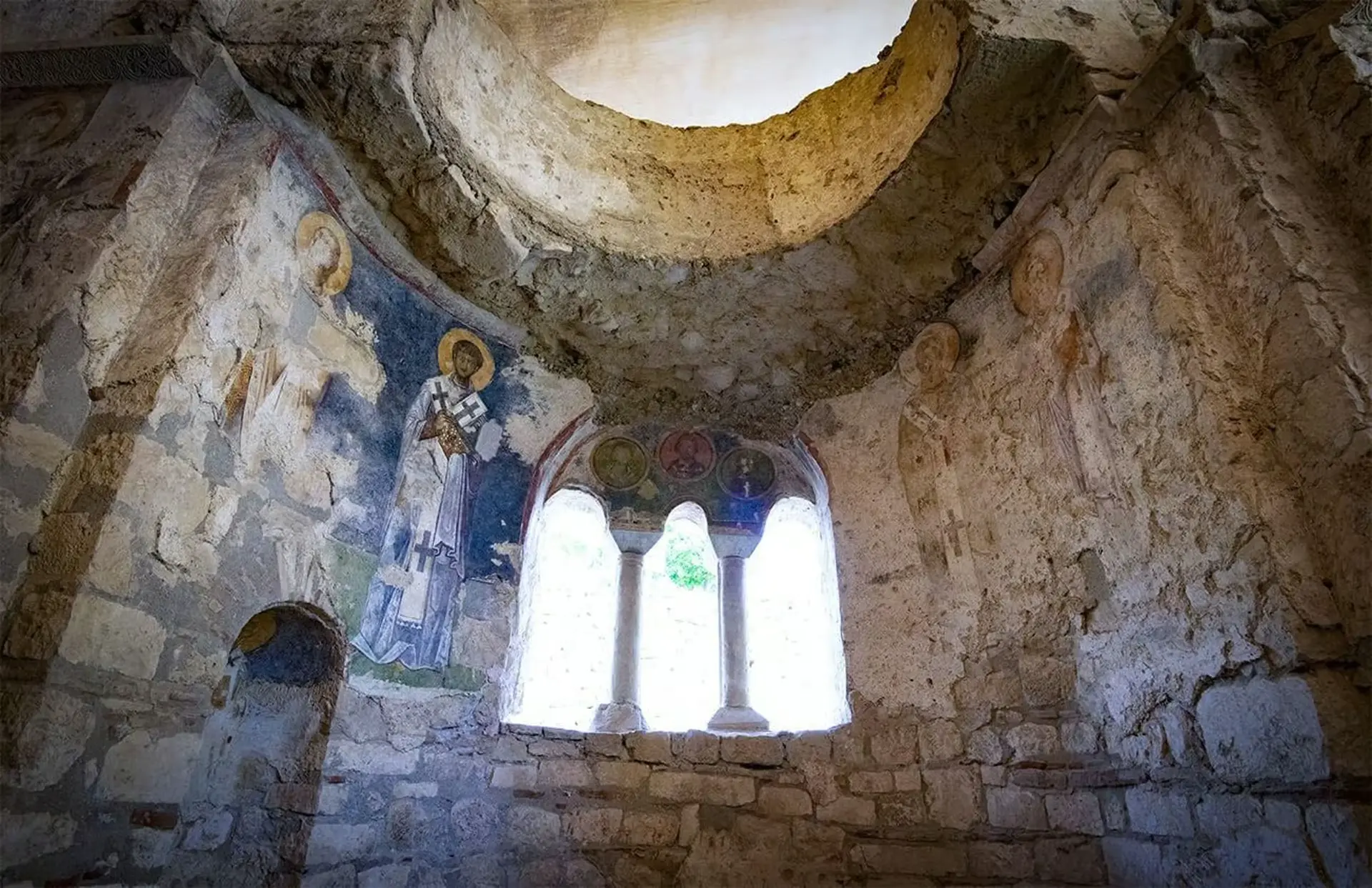
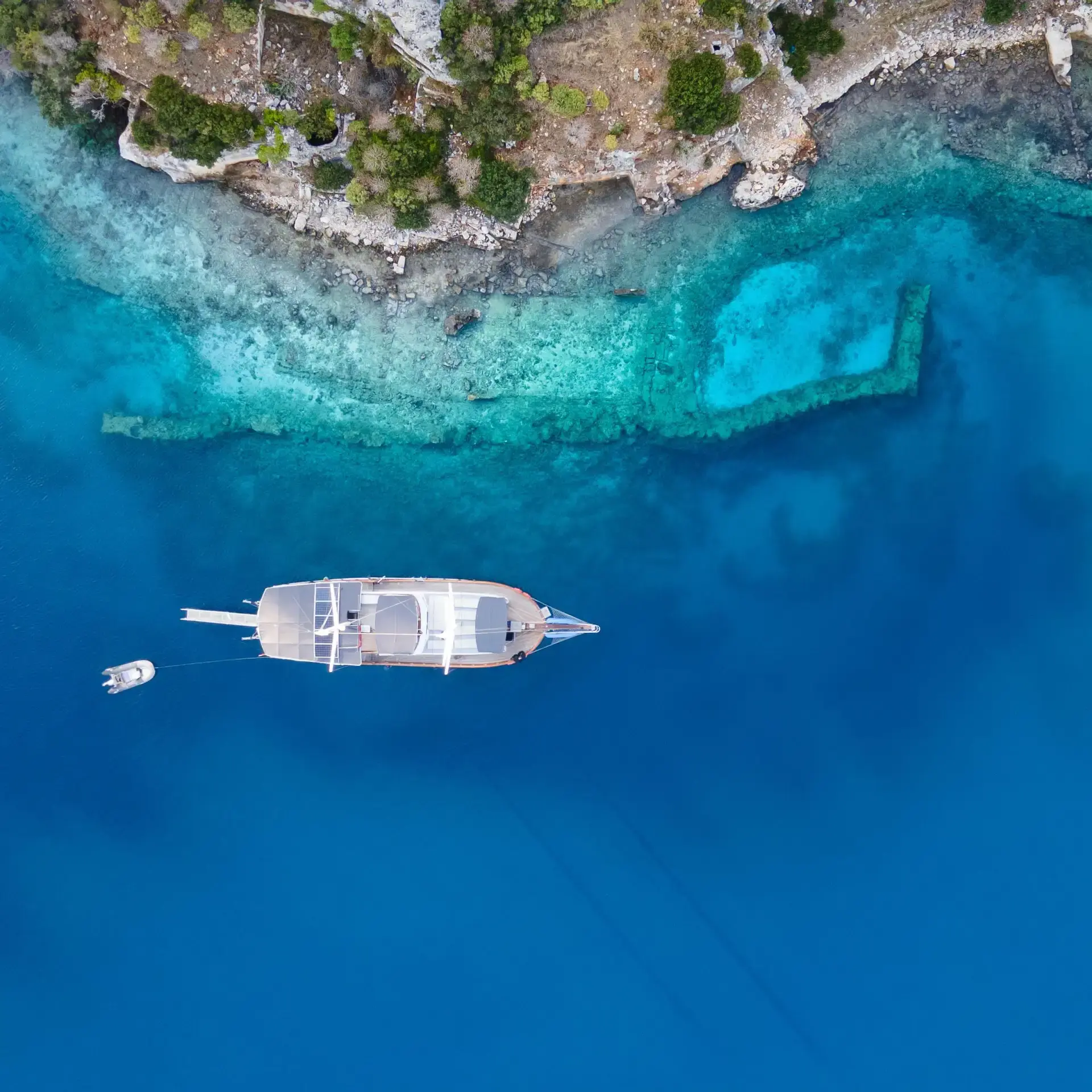
Kekova and Myra sit at the center of one of the region’s most complete ancient stories. Myra’s rock-cut Lycian tombs date to the fourth century BC, carved directly into the cliff face above the town. A short distance away, Kekova holds an entire settlement submerged by seismic activity — visible through the water’s surface from above, one of the few sunken cities anywhere you can actually see rather than just read about.
For most travellers, a well-run group tour is the right call — efficient, well-guided, and easy to book. That’s exactly what our Klook partner link provides: real availability, clear pricing, instant confirmation.
For travellers with something more specific in mind — a particular timing, a smaller group, a guide with deep local knowledge — contact us directly.
Either way, you’re looking at the same history. Choose whichever path fits how you like to travel.
We connect you with vetted local operators and shape the day around what actually matters to you, at no cost.
Standard trip? Book Kekova & Myra on Klook — confirmed instantly.
Something specific? Contact Vantier. We’ll take it from there.